
The shingle field
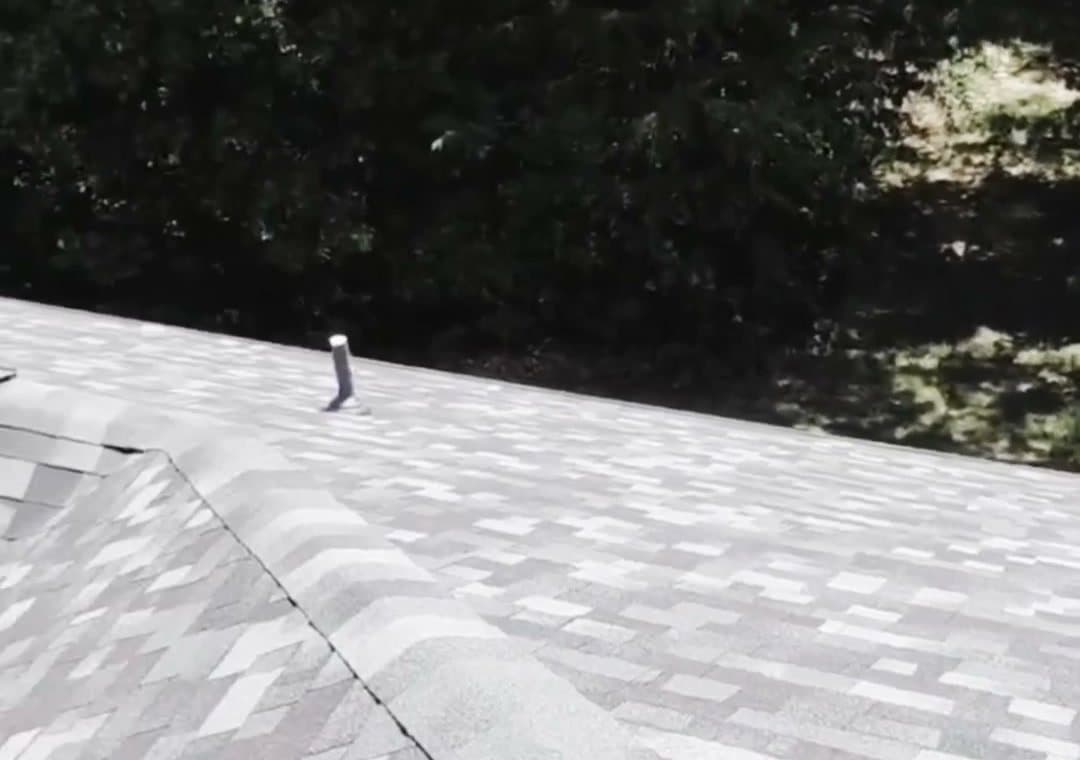
Hail bruising, granule loss and impact marks across each slope. Damage is often distributed unevenly depending on which way the storm came through, so every face gets looked at.
Most of the roofs Dylan touches in this metro are storm-related, so this is the part of the job he knows cold. Free inspection, photographs of what’s actually up there, and a straight answer before anyone talks about a claim.
There is a version of this page that guarantees you an outcome and tells you exactly what your insurance company is going to do. You have probably already had that conversation on your doorstep.
We won’t tell you what your carrier is going to decide, because we don’t know and neither does anyone else knocking on your door. What Sobczak Exteriors does is document the damage properly, meet your adjuster on the roof, and make sure the scope reflects the real condition of the roof. The decision stays with your carrier.
Get the roof looked at before you call the carrier. An inspection costs you nothing and tells you whether there is anything real up there. Filing on a roof that turns out to be fine helps nobody, and doorstep certainty about damage you can’t see from the ground is a sales technique, not a diagnosis.
It starts the same way every time: Dylan or Eric comes out, gets on the roof, and tells you what they found. Everything after that depends on what’s actually up there.
If the answer is a replacement, the same tear-off, materials and 10-year workmanship warranty apply as on any other roof — a storm job isn’t a different standard of work.
The inspection happens on the roof, photographed as found. No charge, no obligation, and no hard close afterward.
Sometimes it's a claim. Sometimes it's a repair. Sometimes the roof is fine and you get your afternoon back.
Photographs of the actual condition of the roof, so the conversation with your carrier is about evidence rather than opinions.
If you file, Dylan meets the adjuster, walks the roof with them, and makes sure nothing real gets missed. The decision itself stays with your insurer.
The person who inspected it is the person running the crew that replaces it.
Hail bruising, granule loss and impact marks across each slope. Damage is often distributed unevenly depending on which way the storm came through, so every face gets looked at.
Vents, flashing and gutters dent before shingles bruise, which makes them a useful early read on whether hail of any size actually landed on your house.
Lifted, creased or missing shingles, and the run of shingles around them that got loosened at the same time. Wind damage often looks minor and isn't.
Pipe boots, step and chimney flashing, valleys and ridge. Storm or no storm, this is where roofs leak, and it's worth knowing their condition.
What's on the roof gets photographed, so the conversation afterwards is about what's actually there and not about who sounds more confident.
Including 'your roof is fine.' That's a real possible outcome of a free inspection, and you'll be told it if that's what's true.
You can't tell from the ground, and neither can anyone who knocks on your door and says you do. Hail bruising on asphalt shingles often isn't visible from the driveway, and plenty of roofs that look rough from below turn out to be fine. The only way to know is for someone to get on the roof and look.
Someone gets on the roof — Dylan or Eric, his rep — looks at the shingle field, the soft metals, the vents and the flashing, and photographs what's found. You get a plain-language explanation of the condition of the roof and an honest answer about whether there's anything worth pursuing. No charge, no obligation.
That is your insurance carrier's decision, and no roofer can promise you an outcome. What Sobczak Exteriors does is document the damage properly, meet your adjuster on the roof, and make sure the scope reflects the real condition of the roof. What the carrier does with that is up to the carrier.
Look at what's actually on the roof first. Sometimes there's real, documentable damage. Sometimes it's a repair. Sometimes the roof is fine. Getting the inspection done before you call your carrier means you're making that decision with information rather than guessing.
Out-of-state crews follow hail into a metro, sign as many roofs as they can, and are gone before anyone needs the warranty. Ask where the company is based, who is actually going to be on your roof, and who you call in three years. Dylan lives here and answers his own phone.
Class 4 is the top impact rating for asphalt shingles — tested to take a 2-inch hailstone. In a hail metro like St. Louis it's worth pricing out when you replace. Some insurers offer a discount for an impact-rated roof; that's your carrier's decision, so ask them directly.
Find out what’s actually on your roof before anyone talks to you about a claim. No charge, no obligation, and a straight answer either way.